

Optimize Mac Performance: Step-by-Step Guide for Beginners

"How to fix a laggy Mac? Help!"
Many users run into this issue at some point - your Mac suddenly becomes slow, apps take forever to open, the spinning beach ball appears too often and lasts too long, Mac system freezes for no obvious reason.
A laggy Mac can be frustrating, especially when you rely on it for work or study. Fortunately, there are several ways to optimize the Mac performance! Follow this guide to explore practical and effective ways to fix a laggy Mac and improve overall performance.
PAGE CONTENT:
Part 1: Why Is Your Mac Running Slow
There are many reasons why your Mac runs slowly over time. For most cases, it is not a hardware issue. Here we list some common reasons for your reference and troubleshooting:
- Too many programs launch automatically when you start your Mac.
- System junk like temporary files, log files, and cached data accumulates over time, taking up storage space.
- There are large files hidden from view but consuming disk space.
- There are duplicate files wasting storage space.
- Your system hasn't been updated to the latest version.
- …
Part 2: How to Improve Mac Performance Manually
Optimizing Mac storage doesn't have to be complicated. Your Mac performance will be noticeably improved by following a few simple manual steps, such as clearing caches, managing storage, etc. This section will walk you through them in detail.
Note: Some menu names or button locations may look slightly different on different macOS versions. Don’t worry - the overall process remains largely the same.
Clear System Cache
Clearing your Mac’s cache files can remove temporary system and app data that may slow down performance.
Step 1. Open Finder and click Go in the top menu.
Step 2. Select Go to Folder… and enter ~/Library/Caches.
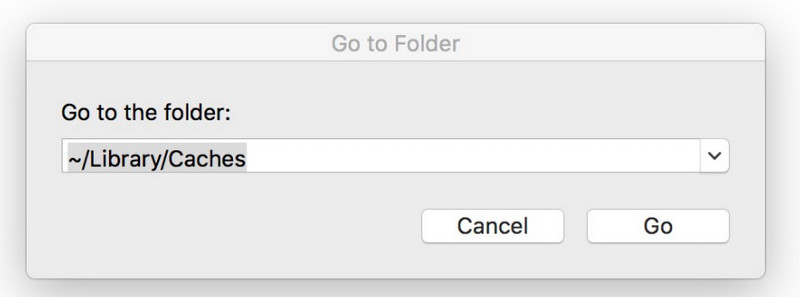
Tips: You can also use the shortcut combination Shift + Command + G to open the Go to Folder dialog box directly and enter the folder path.
Step 3. Select and delete the cache files.
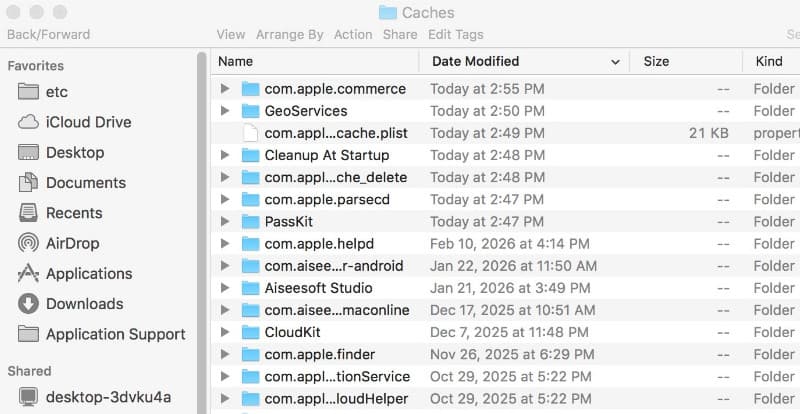
Tips: Press Command + A to select all cache files at once. Avoid deleting files with the com.apple prefix, as they may be required by macOS.
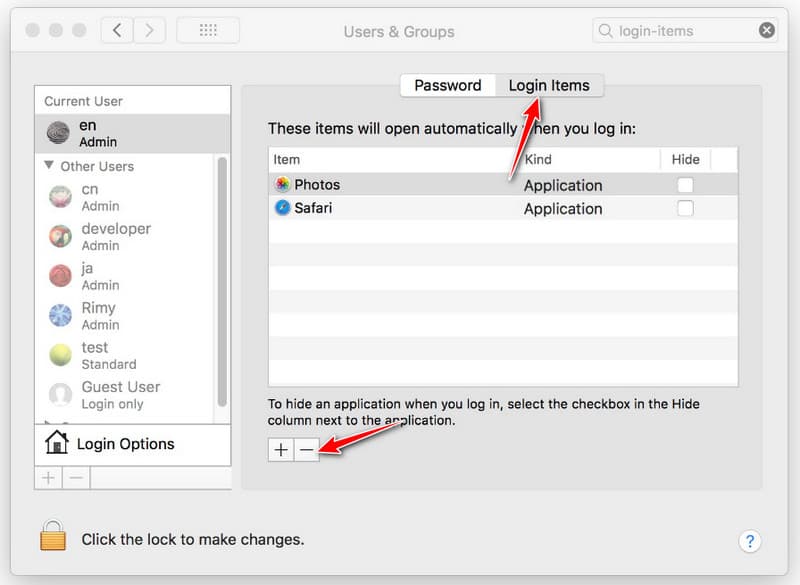
Remove Login Items
Reducing unnecessary login items can prevent too many apps from starting automatically when your Mac boots up, speeding up startup time.
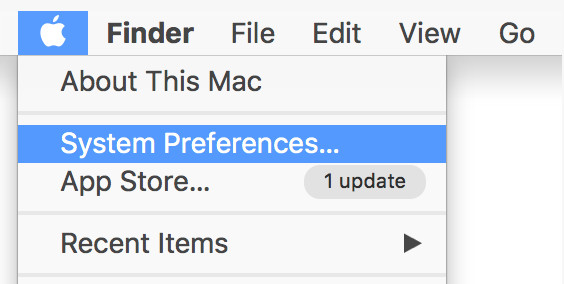
Step 1. Click the Apple menu in the top-left corner, and select System Performances.
Step 2. Select Users & Groups in the prompt window.
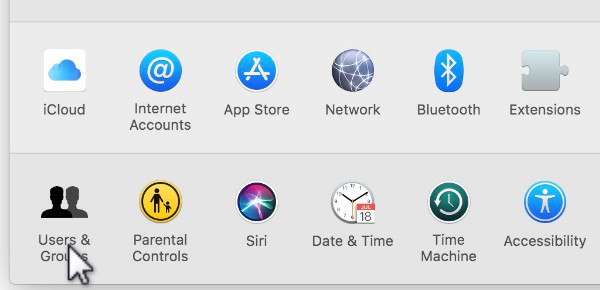
Step 3. Go to the Login Items option and select unwanted apps.
Step 4. Click the minus (-) button.
Uninstall Unused Apps
Deleting Mac apps you no longer use can free up storage and reduce background processes that consume memory.
Free Up Storage
Step 1. Open Finder at the dock.
Step 2. Select the Applications option from the left panel.
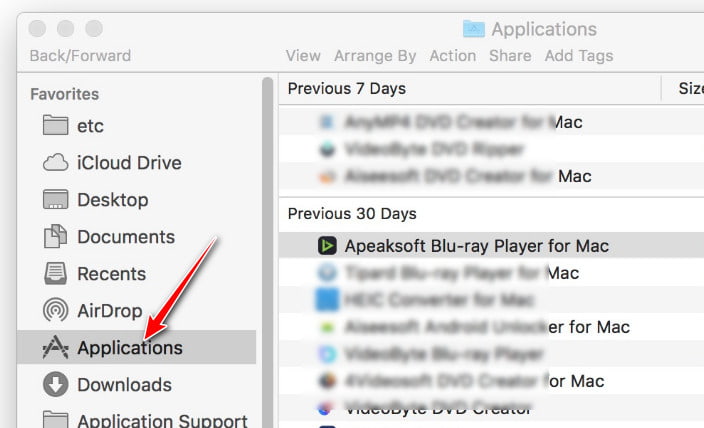
Step 3. Select the app you no longer use.
Step 4. Drag it to the Trash and empty the Trash. Or, you can right-click it and choose Move to trash.
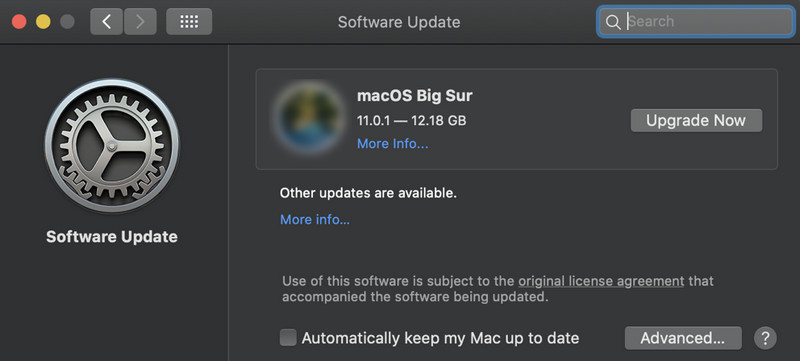
Update macOS
Keeping macOS up to date can ensure your system benefits from the latest performance improvements, bug fixes, and security patches.
Step 1. Go to the Apple menu in the upper left corner, and open System Settings.
Step 2. Click General - Storage.
Step 3. Click Update Now if a new version is available.
Clean Desktop
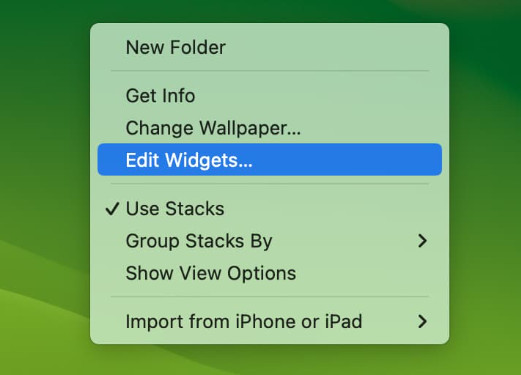
Organizing your desktop and removing unused widgets can help reduce system load and improve responsiveness.
Step 1. Review files on your desktop.
Step 2. Create folders to organize documents and images.
Step 3. Move unnecessary files to Trash.
Step 4. Right-click on the desktop, choose Edit Widgets, and click the minus (–) button on any unused widget to remove it.
Free Up Storage
Managing and optimizing storage can prevent disk clutter, ensure enough free space for macOS to run efficiently, and speed up overall performance.
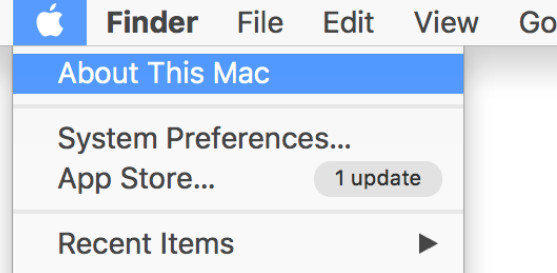
Step 1. Go to the top-left corner and click the Apple logo.
Step 2. Select About This Mac.
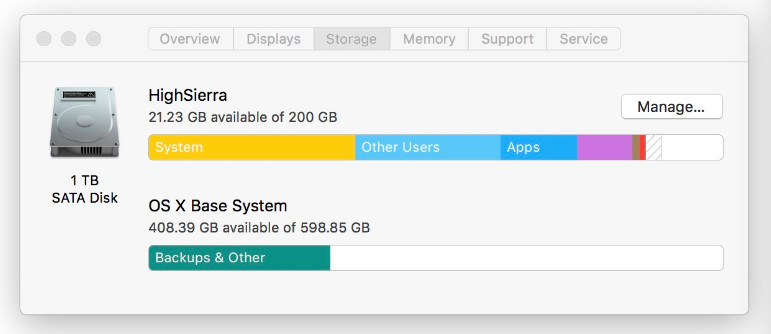
Step 3. Select the Storage option and click Manage.
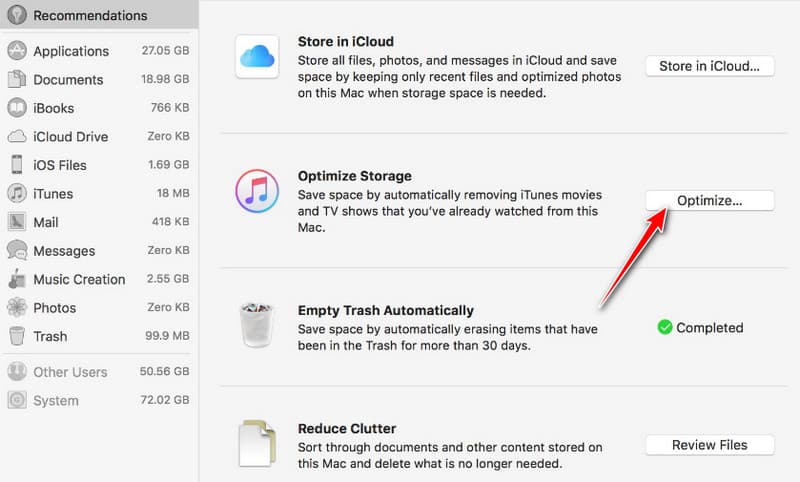
Step 4. Press the Optimize button after Optimize Storage.
Part 3: One-Stop Solution to Optimize Mac
If you are looking for a faster and easier way to optimize Mac storage, a professional Mac cleaner like Apeaksoft Mac Cleaner is an ideal choice.
An All-in-One Mac Optimizer
- Scan and remove system junk/large/old/hidden/duplicate files.
- Safely delete cache on your Mac.
- One click to uninstall unwanted apps.
- Monitor CPU, memory & disk usage.
- Safe, fast, and beginner-friendly.
Secure Download

Step 1. Download this powerful Mac optimizer to your computer from the button above.
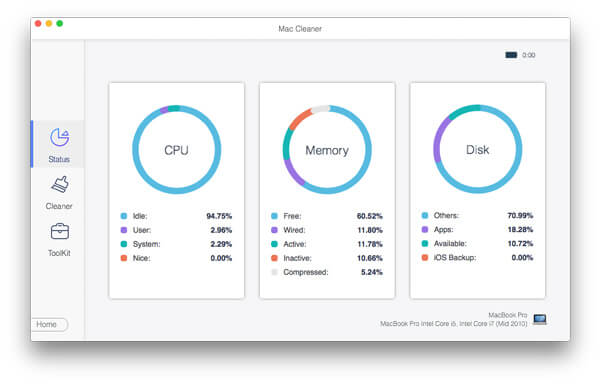
Step 2. To monitor your Mac status, you can choose the first Status option.
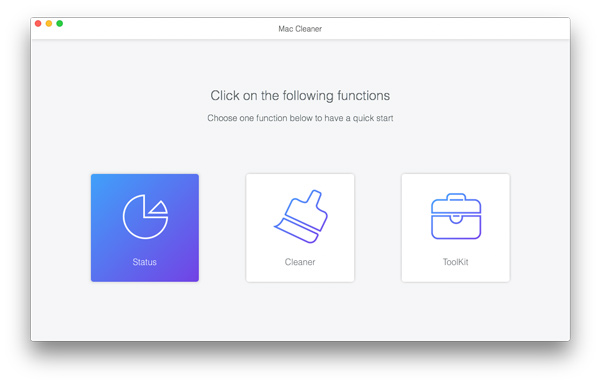
Here you can monitor your CPU, Memory, and Disk conditions on your Mac.
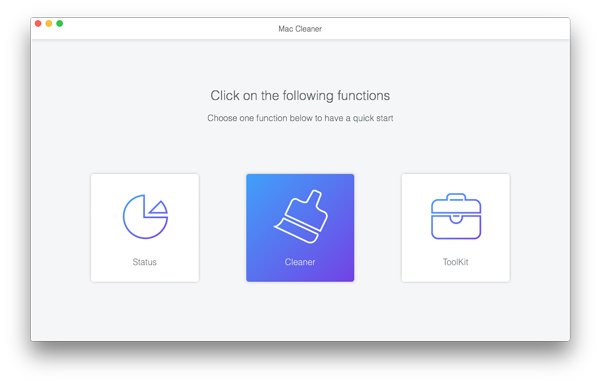
Step 3. To optimize storage on Mac, you can choose the second Cleaner option.
Here you can clear junk/large/old/hidden/duplicate files quickly and easily.
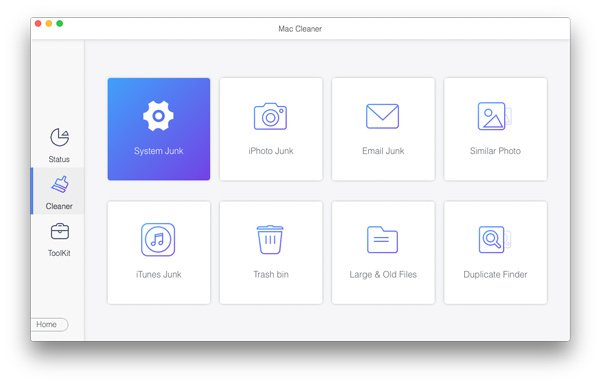
Tips: This software can also be helpful when you need to clear cache on Mac.
Part 4: FAQs About Optimizing Mac
Is it safe to clean the Mac cache?
Yes. It is generally safe to clear cache files on Mac since cache files are temporary data stored by the system and apps to speed up performance, and deleting them will not harm your Mac.
How often should I optimize my Mac?
For most users, once a month is enough to keep your Mac running smoothly.
What is the best Mac cleaner?
Among various Mac cleaning tools, Apeaksoft Mac Cleaner is highly recommended for its simplicity and powerful scanning engine.
Conclusion
This post introduces the reasons why your Mac becomes slow, and how to optimize Mac storage in several useful methods, both manually and automatically. Hope you can find this article useful and improve your Mac speed as you want!
Related Articles